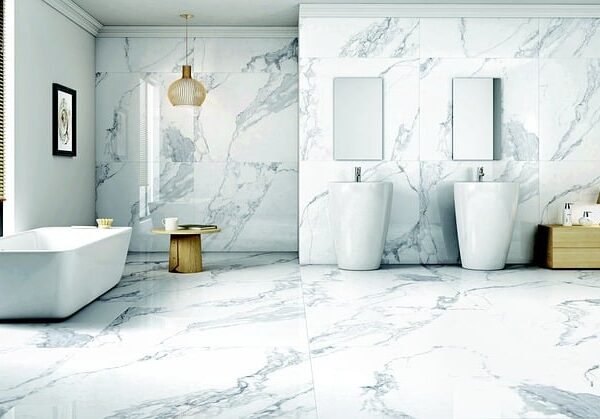
Laminate Flooring Denver — Complete Guide
Laminate flooring is a popular choice among homeowners in Denver due to its affordability, durability, and easy maintenance. This topic hub page compiles resources from 42 articles that explore various….
Welcome to the definitive exploration of laminate flooring, specifically focusing on its presence and impact in Denver, Colorado. In today’s interior design landscape, laminate flooring has emerged as a versatile and affordable option for both residential and commercial spaces. This article aims to dissect the various facets of laminate flooring, with a particular emphasis on Denver’s unique market dynamics, trends, and opportunities. By delving into history, global influences, economic factors, technological innovations, regulatory frameworks, and real-world applications, we will uncover the multifaceted world of laminate flooring in Denver.
Laminate flooring is a popular hard surface flooring option known for its durability, versatility, and cost-effectiveness. It consists of multiple layers, typically including a decorative top layer, a middle core layer, and a bottom backing layer. The top layer often features an image that mimics the appearance of natural wood, stone, or tile, providing a visually appealing finish. This flooring type is created through a lamination process, where high-pressure heat bonds the layers together, resulting in a stable and long-lasting product.
The concept of laminate flooring dates back to the early 20th century when manufacturers sought to create an affordable alternative to hardwood floors. In the 1970s, the first modern laminate flooring was introduced, offering an innovative solution for those seeking a more budget-friendly option without compromising on aesthetics. Over time, advancements in technology and design have significantly improved the quality and realism of laminate flooring, making it a top choice for interior spaces worldwide, including Denver.
Denver, with its vibrant real estate scene and diverse architectural styles, has embraced laminate flooring as a practical and stylish solution. This flooring type is particularly favored due to several factors:
Laminate flooring has made significant inroads globally, with Denver being a part of this larger trend. Key international influences include:
Several global trends are driving the evolution of laminate flooring:
The global laminate flooring market exhibits a steady growth trajectory, driven by increasing demand in both residential and non-residential sectors. Denver’s local market reflects these broader trends, with a consistent rise in sales and installation projects. Key economic factors include:
| Economic Indicators | Impact on Laminate Flooring Market |
|---|---|
| Rising Homeownership | Growing demand for affordable flooring options in new constructions and renovations. |
| Commercial Expansion | Increased installations in office spaces, retail stores, and hospitality sectors. |
| Remodeling Trends | Rising popularity of laminate flooring as a cost-effective remodeling solution. |
Laminate flooring has attracted significant investment from both manufacturers and retailers, fueling market growth. In Denver, this is evident through:
The economic influence of laminate flooring in Denver is multifaceted:
Technological advancements have played a pivotal role in the evolution of laminate flooring:
The future of laminate flooring in Denver holds immense promise:
Laminate flooring, like any other building material, is subject to various policies and regulations that ensure quality, safety, and environmental compliance:
These policies have far-reaching implications for manufacturers, retailers, and installers:
Despite its numerous advantages, laminate flooring faces several challenges and criticisms:
To overcome these challenges:
The following case studies highlight successful laminate flooring installations in Denver, offering valuable insights into practical applications:
Case Study 1: LoDo Loft Renovation
A historic loft conversion in downtown Denver showcased the versatility of laminate flooring. The project involved transforming a raw, industrial space into modern living quarters. Dark gray laminate flooring with a concrete-like finish was chosen to complement exposed brick walls and metal accents. The click installation system allowed for quick assembly, enabling the contractors to complete the project ahead of schedule.
Case Study 2: Green School Campus
Denver’s Green School embraced laminate flooring as part of its eco-conscious campus development. The school opted for laminated wood flooring made from sustainable sources, featuring a unique, hand-scraped texture. This choice not only aligned with their environmental mission but also provided a warm and inviting atmosphere for students. The durable nature of the flooring is expected to stand the test of time, despite heavy student foot traffic.
Case Study 3: High-End Residential Project
A luxury home in Denver’s suburbs showcased the potential of laminate flooring in high-end applications. Custom-designed laminates with marble and granite patterns were used to create a grand entranceway. The intricate designs, combined with realistic visuals, seamlessly blended with the overall interior design, challenging the notion that laminate is solely for budget-conscious projects.
The future of laminate flooring in Denver looks promising, with several growth areas and emerging trends:
To capitalize on these future prospects, industry players can:
Laminate flooring has established itself as a dynamic and versatile option in Denver’s diverse interior design landscape. From its global origins to local market adaptations, this flooring type continues to evolve, addressing consumer demands for affordability, durability, and aesthetics. As technology advances and sustainability becomes a focal point, laminate flooring is poised to play an even more significant role in shaping the future of Denver’s interiors.
Q: Is laminate flooring suitable for high-moisture areas like bathrooms?
A: While laminate flooring is not recommended for direct contact with water, recent advancements have led to improved water-resistant varieties. For high-moisture areas, consider these specialized laminates and ensure proper installation to prevent water damage.
Q: How does laminate flooring impact indoor air quality?
A: Laminate flooring is generally considered low-emission, contributing positively to indoor air quality. However, during manufacturing and installation, it’s crucial to follow best practices to minimize exposure to volatile organic compounds (VOCs).
Q: Can laminate flooring be refinished like hardwood floors?
A: Unlike hardwood, laminate flooring cannot be refinished. If damaged or faded, it may need to be replaced entirely. Proper care and maintenance, including regular cleaning and protection from heavy furniture, can extend its lifespan.
Q: Are there eco-friendly options available for laminate flooring?
A: Yes, many manufacturers are prioritizing sustainability by using recycled materials, sustainable sourcing of raw materials, and environmentally friendly production processes. Look for products with third-party certifications to ensure their ecological validity.
Q: Can laminate flooring be installed over radiant heat systems?
A: It is possible to install laminate flooring over radiant heat systems, but it requires careful consideration. Ensure the underfloor heating system is properly insulated and that the laminate flooring has a suitable acclimation period to prevent thermal expansion issues.
Laminate flooring is a popular choice among homeowners in Denver due to its affordability, durability, and easy maintenance. This topic hub page compiles resources from 42 articles that explore various….
Laminate Flooring Denver offers a diverse range of styles, colors, and patterns for every taste and…….
Choosing Laminate Flooring Denver involves contrasting commercial and residential options based on t…….
Selecting Laminate Flooring Denver requires considering room function, foot traffic, and design pref…….
Laminate Flooring Denver offers cost-effective, durable, and low-maintenance flooring options with a…….
Laminate Flooring Denver offers durable, versatile, and cost-effective flooring solutions for variou…….
Laminate flooring in Denver requires regular maintenance to prevent common damage. DIY repairs for m…….
Laminate Flooring Denver is a popular choice due to its durability, style, and versatility, with top…….
Denver's 2023 flooring trends showcase a blend of style and practicality with laminate flooring…….
Selecting Laminate Flooring Denver involves matching flooring types to specific needs based on room…….